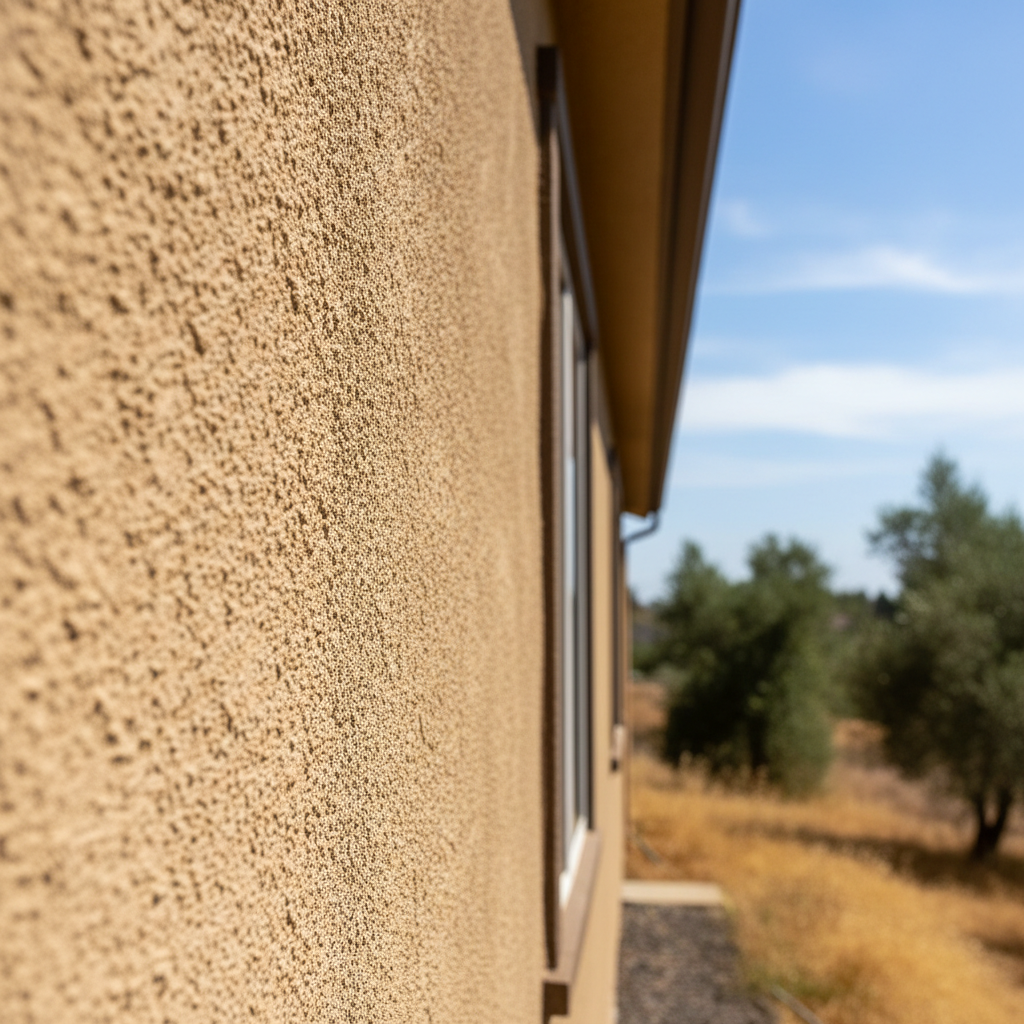
So, you're looking into EIFS for your San Jose home. It's a solid choice for a lot of folks, offering good insulation and a clean finish. But before you grab a bucket of base coat, let's talk about what this project really entails. I see a lot of homeowners get excited about DIY, and while I commend the spirit, some jobs are just better left to the pros. EIFS installation is one of those where the line between DIY and professional work is pretty clear.
What Even Is EIFS?
First off, EIFS stands for Exterior Insulation and Finish System. Think of it as a multi-layered cake for your house walls. You've got insulation board (usually expanded polystyrene, EPS), then a base coat with a fiberglass mesh embedded in it for strength, and finally, a textured finish coat. It's not traditional stucco, though it can look a lot like it. The big difference is that insulation layer, which can make a real difference in your energy bills, especially with our hot San Jose summers.
Can You DIY Any Part of EIFS?
Alright, let's be realistic. Can you DIY any part of an EIFS installation? Sure, you can do some of the prep work. Things like:
- Cleaning the existing walls: Get rid of any loose paint, dirt, or mildew. A good power wash can go a long way here.
- Minor repairs to the substrate: If you've got small holes or cracks in your sheathing, you can patch those up. Just make sure the surface is sound and flat.
- Moving obstacles: Downspouts, light fixtures, hose bibs – you can remove these yourself to clear the way for the EIFS. Just remember where everything goes!
These are the kinds of tasks that don't require specialized tools or a deep understanding of building science. They're time-consuming, but straightforward. You'll save a few bucks on labor, and you'll get a better understanding of your home's exterior.
Where DIY Stops and Pros Begin
Now, here's where I'm going to be blunt: the actual installation of the EIFS system itself? That's a professional job, plain and simple. I've seen too many DIY EIFS jobs go wrong, and believe me, fixing them costs way more than doing it right the first time. Here's why you need a pro:
- Proper drainage and moisture management: This is the big one. EIFS, when installed incorrectly, can trap moisture behind it. That leads to rot, mold, and serious structural damage. A professional knows how to install proper flashing, weep screeds, and drainage systems to ensure water gets out, not in. This is especially critical in areas like Willow Glen where older homes might have varied wall structures.
- Adhesive application: The insulation boards need to be adhered correctly to the substrate. Too little adhesive, or the wrong kind, and you'll have boards detaching. Too much, or uneven application, and you'll get an uneven surface.
- Insulation board installation: These boards need to be perfectly level and plumb, with tight joints. Any gaps or unevenness will show through the finish coat and create thermal bridges, defeating the purpose of the insulation.
- Base coat and mesh embedding: This layer provides impact resistance and forms the foundation for the finish. You need to apply it evenly, and embed the fiberglass mesh without wrinkles or bubbles. It's an art and a science to get it right.
- Finish coat application: The final finish coat is what everyone sees. It needs to be applied consistently for a uniform texture and color. This takes experience and specialized tools to avoid lap lines or uneven patches.
- Warranty and expertise: A reputable EIFS contractor, like us at San Jose Stucco Solutions, will stand behind their work. They're trained in the specific systems and products, and they know the local building codes. You're paying for that peace of mind and expertise.
What to Look for in an EIFS Contractor
If you're convinced (and you should be) that EIFS installation is a job for the pros, here's what to look for:
- Experience with EIFS: Don't just hire a general stucco guy. EIFS is different. Ask for specific EIFS project examples.
- References: Always ask for references and check them. See their work in person if you can.
- Proper licensing and insurance: This is non-negotiable. Protect yourself and your property.
- Detailed proposal: Get everything in writing. What system are they using? What's included? What's the timeline?
- Understanding of local conditions: They should know about San Jose's climate, potential seismic considerations, and local building department requirements.
Look, I get it. Home renovations are expensive, and you want to save money where you can. But some projects are just too complex, too specialized, and carry too much risk if done incorrectly. EIFS is one of them. You want your home to be beautiful, energy-efficient, and most importantly, protected from the elements for decades to come. That means investing in professional installation.
So, do the prep work yourself if you're up for it. But when it comes to the actual EIFS system, call in the experts. You'll be glad you did.