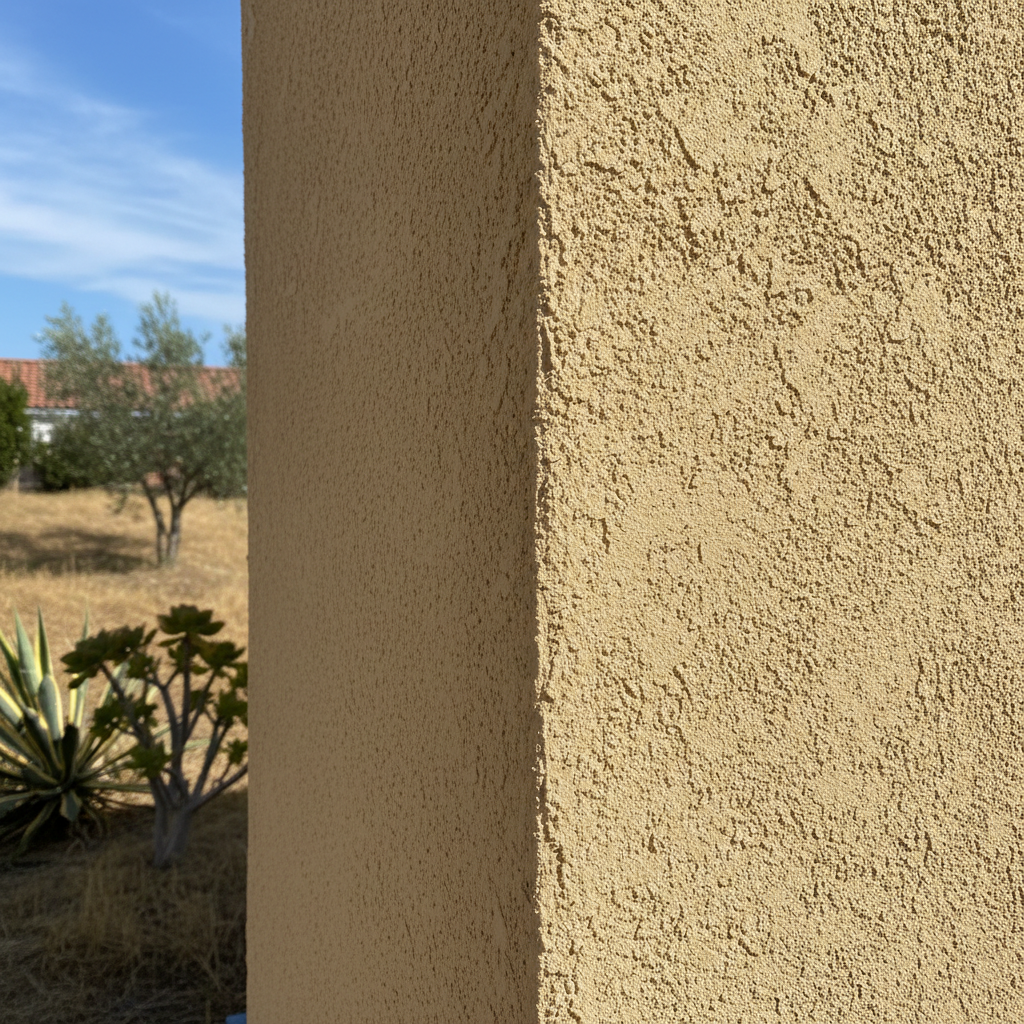
What's the real difference between traditional stucco and synthetic stucco (EIFS)?
This is probably the most common question I get, and it's a good one because the terms get thrown around a lot. Traditional stucco, what we often call 'hard coat' stucco, is a cement-based product. It's made from cement, lime, sand, and water. It's applied in layers, usually over a wire lath, and it cures to a very hard, durable finish. Think of it like a concrete shell for your house. It's breathable, meaning it can absorb and release moisture, which is generally a good thing for wall systems.
Synthetic stucco, or EIFS (Exterior Insulation and Finish System), is a totally different animal. It's a multi-layered system that starts with insulation board (usually expanded polystyrene, EPS) attached to your sheathing. Then, a base coat with a fiberglass mesh is applied over that, and finally, a synthetic finish coat. The key difference is that EIFS is an insulated, barrier system. It's designed to be waterproof on the exterior. It's excellent for energy efficiency because of that insulation layer. The finish coat is acrylic-based, so it's more flexible and less prone to cracking than traditional stucco. Both have their place, but they're not interchangeable.
How long does a stucco installation project usually take?
That's like asking how long it takes to drive to Tahoe – depends on traffic and where you're starting from, right? For a typical single-family home here in San Jose, say around 1,500 to 2,500 square feet, you're usually looking at anywhere from two to four weeks from start to finish. That includes prep work, scaffolding, applying the multiple coats, and then cleanup. Smaller jobs, like a detached garage or a small addition, might be quicker, maybe a week or two. Bigger, more complex homes with lots of architectural details or multiple stories will naturally take longer. Weather plays a role too; we can't apply stucco in heavy rain or freezing temperatures, which isn't usually an issue in our mild Bay Area climate, but it's something to consider.
Do I need a permit for new stucco installation?
Absolutely, yes. For almost any exterior renovation that involves changing the building envelope, you'll need a permit from the City of San Jose Planning Department. This isn't just bureaucracy; it's about making sure the work is done safely and to code. The city wants to ensure the structural integrity isn't compromised, the materials meet standards, and things like fire safety are addressed. Any reputable contractor, like us at San Jose Stucco Solutions, will handle the permitting process for you. If a contractor tells you a permit isn't necessary for a full stucco installation, that's a huge red flag, and you should walk away.
What kind of maintenance does new stucco require?
New stucco, whether traditional or synthetic, is pretty low maintenance, which is one of its big selling points. You don't need to paint it every few years like wood siding. The main thing is to keep it clean. A gentle power wash (low pressure, please, don't blast it!) once a year or every couple of years can remove dirt, dust, and any mildew that might accumulate, especially on north-facing walls that don't get much sun. You also want to keep an eye out for any cracks, especially around windows and doors, or where different materials meet. Small hairline cracks in traditional stucco are normal; bigger ones or cracks in EIFS should be looked at by a professional. Also, make sure your gutters are clean and draining properly to prevent water from constantly running down the walls.
How much does new stucco installation cost per square foot in San Jose?
This is the million-dollar question, and honestly, there's no single answer. It varies wildly based on several factors. Are we talking traditional or EIFS? EIFS tends to be more expensive upfront due to the insulation layer and specialized application. What's the condition of the existing exterior? If we have to remove old siding or repair significant substrate damage, that adds to the cost. How complex is your home's architecture? Lots of corners, arches, or high gables mean more labor and material. The type of finish you choose also impacts the price – a smooth finish is generally less costly than a highly textured one. Generally, for a full re-stucco project in San Jose, you're looking at a range, but I've seen projects go anywhere from $8 to $15+ per square foot, and sometimes more for very intricate work or premium systems. The best way to get an accurate number is to get a detailed quote after an on-site assessment.
Can stucco help with my home's energy efficiency?
Definitely, yes. Both types of stucco can contribute to energy efficiency, but EIFS is specifically designed with it in mind. Traditional stucco, being a dense material, has some thermal mass, meaning it can absorb and slowly release heat, which can help stabilize indoor temperatures. However, EIFS takes it to another level. That continuous layer of insulation board on the exterior drastically reduces heat transfer through your walls. This means your HVAC system doesn't have to work as hard to keep your home cool in the summer or warm in the winter. For homes built before modern insulation standards, switching to EIFS can make a noticeable difference in your utility bills, especially with our hot San Jose summers.