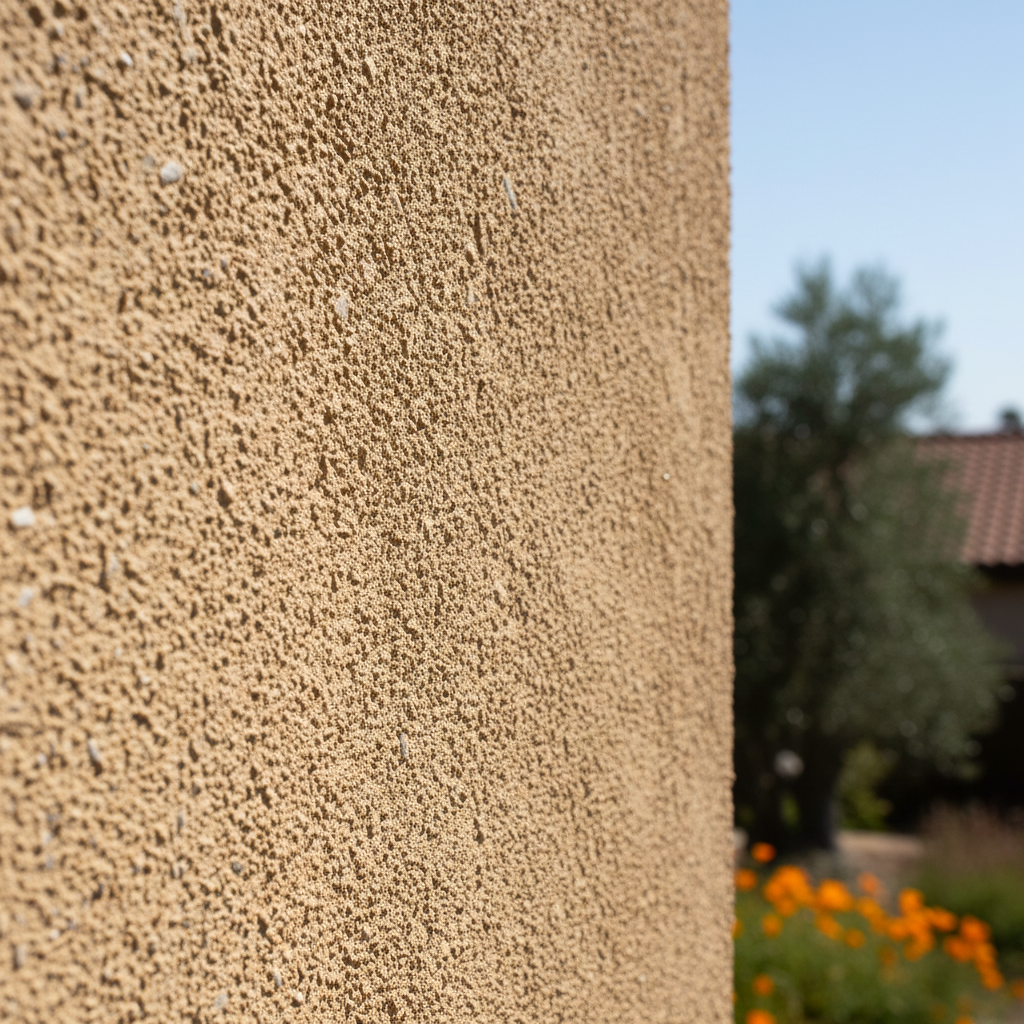
We need to talk about stucco inspections. You have stucco on your San Jose home. You want to make sure it is doing its job. San Jose Stucco Solutions sees many homeowners who are not sure what they can look for themselves. They also do not know when they need to call someone like us. This is not as complicated as you might think. There are limits to what you can do yourself when it comes to keeping your biggest investment safe.
Before You Start: Know Your Stucco
First, you need to understand that stucco is tough. It is not invincible. Stucco is a mix of cement, sand, and water. It is good for sealing your home as well as regulating temperature as well as resisting fire. Our climate here in San Jose is pretty good for stucco. This means it tends to last a long time. Even with our mild weather, stucco can still take a beating from the sun as well as the wind as well as those occasional heavy rains we get.
Before you even step outside, you should make sure you have a good ladder. You also need a notepad and a camera or your phone. You will want to take pictures of anything that looks off. This is not just for your records. It helps if you do need to call a professional later.
Your DIY Visual Inspection Checklist
You can do a good visual inspection yourself. You should be doing this at least once a year. Think of this like a health check-up for your house. San Jose Stucco Solutions tells folks to look for these things:
- Cracks: This is an important one. Hairline cracks are common. They are usually not a big deal. They can let moisture in though. You are really looking for cracks wider than a credit card. You are also looking for any cracks that are spreading or form a spiderweb pattern. These can mean bigger issues. They can point to structural movement or water problems.
- Discoloration and Stains: Do you see any dark streaks, blotches, or spots? This is especially important below windows as well as near the roofline as well as around other penetrations. That is a big red flag for water intrusion. Staining can also come from mineral deposits. These are called efflorescence. This also points to moisture.
- Bulging or Soft Spots: If the stucco looks like it is bubbling, bulging out, or feels soft and spongy when you gently press on it, that is bad news. This often means water has gotten behind the stucco. It is damaging the underlying structure.
- Gaps Around Openings: You should check around all your windows as well as doors as well as any other things sticking out of your walls like pipes or vents. Are the sealants cracked, missing, or pulling away? These are prime entry points for water.
- Drainage Issues: Look at the base of your walls. Is the ground sloping away from your house? Is water pooling up against the stucco? You should also check your gutters and downspouts. They should be clear. They should be directing water well away from your foundation.
- Weep Screed: This is very important. This is especially true in a place like San Jose where we get rain. The weep screed is that metal strip at the very bottom of your stucco wall. It is usually about 4-6 inches above the ground. It has small holes in it. These holes let any moisture that gets behind the stucco drain out. You must make sure it is not buried by landscaping or dirt. You must also make sure the holes are not clogged. If it is missing or buried, water can get trapped. This can cause major rot. It can even attract termites.
When to Call a Professional (That is Us!)
You have done your visual check. Maybe you have found some things that worry you. Or maybe everything looks fine. You are just not sure. That is when you call in the experts at San Jose Stucco Solutions. Here is why and when you should call us:
- Any Signs of Moisture Intrusion: If you see dark stains, bulging, or soft spots, do not mess around. These are signs of water getting behind the stucco. That can lead to mold as well as rot as well as structural damage that you cannot see. A professional inspection goes much deeper than what you can see. We use specialized tools like moisture meters as well as thermal imaging to find hidden water.
- Larger Cracks or Structural Concerns: If you have cracks that are wide, long, or seem to be affecting the structure, you need a professional assessment. Trying to patch these yourself might just be putting a band-aid on a bigger problem.
- Buying or Selling a Home: If you are buying a home with stucco, you should get it inspected by a professional. You do not want to inherit hidden, expensive problems. If you are selling, a pre-listing inspection can help you address issues before they stop a sale.
- Every 3-5 Years (Routine Check-up): Even if everything looks good, San Jose Stucco Solutions recommends a professional inspection every three to five years. This is like going to the dentist. Preventative care saves you a lot of pain and money later on. For older homes, for example, those over 15 years, you might want to do it every two to three years.
- After Major Weather Events: We do not get hurricanes here in San Jose. Those intense winter rains can be tough. If we have had a particularly wet season, or any other significant weather, it is a good idea to have a professional look.
- Permit Questions: If you are doing any significant stucco repair or replacement, you should remember that the City of San Jose requires permits for anything over 10 square feet. Improperly installed stucco can lead to many problems. The city inspector will check for code compliance.
What Happens During a Professional Inspection?
When you call San Jose Stucco Solutions, we are not just doing a quick walk-around. A thorough inspection involves a detailed visual examination. We look for all the things we mentioned above. Crucially, we also use advanced tools. We will check for moisture levels behind the stucco. We often use non-invasive meters first. Sometimes we use more invasive probe testing if we suspect serious issues. We are looking at the flashing as well as the sealants as well as the drainage as well as the overall integrity of the system.
We are looking for the root cause of any problems. We are not just looking at the surface symptoms. Stucco problems often come from installation errors. These can include missing flashing or improper drainage. They do not usually come from the stucco material itself. Catching these problems early can save you from costly repairs later on. These repairs can sometimes cost 20-40% of your property's value if left unchecked.
So, you should do your regular visual checks. Be diligent. Do not hesitate to call us if you see something concerning. You should also call us if it is just time for that professional once-over. This is the best way to keep your stucco healthy and your home protected in San Jose.